Choosing a bluewater sailboat means comparing more than length and accommodation. Draft, load carrying, sail handling, protection on watch and access for maintenance all influence how the boat will work during an extended passage.
The term covers a broad range of designs. An aluminium centreboarder, a traditional long-keel cruiser and a performance-oriented fin-keel yacht may all be considered for ocean sailing, but they solve different problems and require different compromises.
These 18 boats illustrate that range. The selection includes designs from different periods and should not be read as a list of models all available for a new order today. For a used boat, establish the build year and exact specification. For a new purchase, confirm the current design and equipment directly with the yard.
Allures 51.9
The Allures 51.9 combines an aluminium hull with a composite deck and a retractable centreboard. The arrangement is relevant to sailors who want to reduce draft for anchorages while retaining a boat intended for long passages.
The comparison should include more than the shallow-water figure. Inspect access to the centreboard system, the steering arrangement and the spaces used for stores and equipment. The value of variable draft depends on the route and the owner's willingness to maintain its mechanisms.
Amel 60

The Amel 60 is part of the yard's move towards large cruising sloops, with a protected central working area and an approach focused on handling a substantial yacht with a small crew.
For buyers, the important question is how that handling is achieved. Work through reefing, headsail changes and routine access to machinery. Powered equipment can reduce physical effort, but the crew still needs to understand the installation and its maintenance requirements.
Contest 55CS

The Contest 55CS brings together a judel/vrolijk design and accommodation for extended cruising. It belongs in a comparison of larger yachts that seek to retain sailing performance while providing the systems and space expected aboard a long-distance cruiser.
When comparing examples, examine the chosen interior and equipment specification rather than assuming that every boat is identical. The practical differences between layouts may be more important to the owner than small differences in brochure dimensions.
Discovery Revelation 480

The Revelation 480 featured in SailUniverse's earlier coverage as a fixed-keel, lower-saloon alternative within the Discovery group's designs. That background distinguishes it from boats carrying a Southerly name and a different keel arrangement.
Treat it as a model to investigate through its original documentation and the records of the particular boat offered. Confirm the identity of the yacht, the installed systems and the support available for them before transferring assumptions from another model or an old launch announcement.
Grand Soleil 42 LC

The Grand Soleil 42 LC belongs to Cantiere del Pardo's Long Cruise range. Its naval architecture is by Marco Lostuzzi, with Nauta Design and the yard's technical office responsible for the design collaboration above and below deck.
It offers a useful comparison for owners seeking a cruising layout without moving into the dimensions of the larger boats in this selection. Examine cockpit circulation and the way sail controls and living areas share the available space.
Hallberg-Rassy 48 Mk II

The centre-cockpit Hallberg-Rassy 48 Mk II represents a different arrangement from an aft-cockpit performance cruiser. The cockpit position, aft accommodation and windscreen are integral to how the boat is used.
Hallberg-Rassy lists it among its previous models. On a used example, distinguish the Mk II from the earlier 48 and confirm which changes and options are present. Review access to machinery and the condition of the systems that support extended cruising.
Hylas H60

The Hylas H60 combines Germán Frers' yacht design with an interior by Hot Lab. Its inclusion broadens the comparison towards a larger cruising yacht in which the organisation of living space and the handling of sail loads must be considered together.
Before being persuaded by the interior finish, work through the passage routines. Identify the off-watch berth, wet-gear storage and the tasks the smallest likely crew would need to complete on deck.
ICE 70

The Felci-designed ICE 70 places greater emphasis on performance within a large cruising yacht. It illustrates how far the bluewater category extends beyond the traditional image of a heavy, long-keel boat.
Its scale also changes the buying decision. Assess the sail-handling equipment, maintenance access and the crew required for your programme. Different ICE 70 versions should be identified precisely; specifications from a later Suite or Sport model should not be assigned automatically to an earlier yacht.
Island Packet 349

The Island Packet 349 provides a smaller-scale comparison within this group. Its long-keel cruising approach and bow platform offer a different package from the larger performance cruisers.
The manufacturer's distinction between length on deck and overall length is useful when comparing the model with other boats. For actual ownership, examine the working layout and handling under power as well as the accommodation. A similar nominal length does not mean the same marina footprint or behaviour.
J/Boats J/45
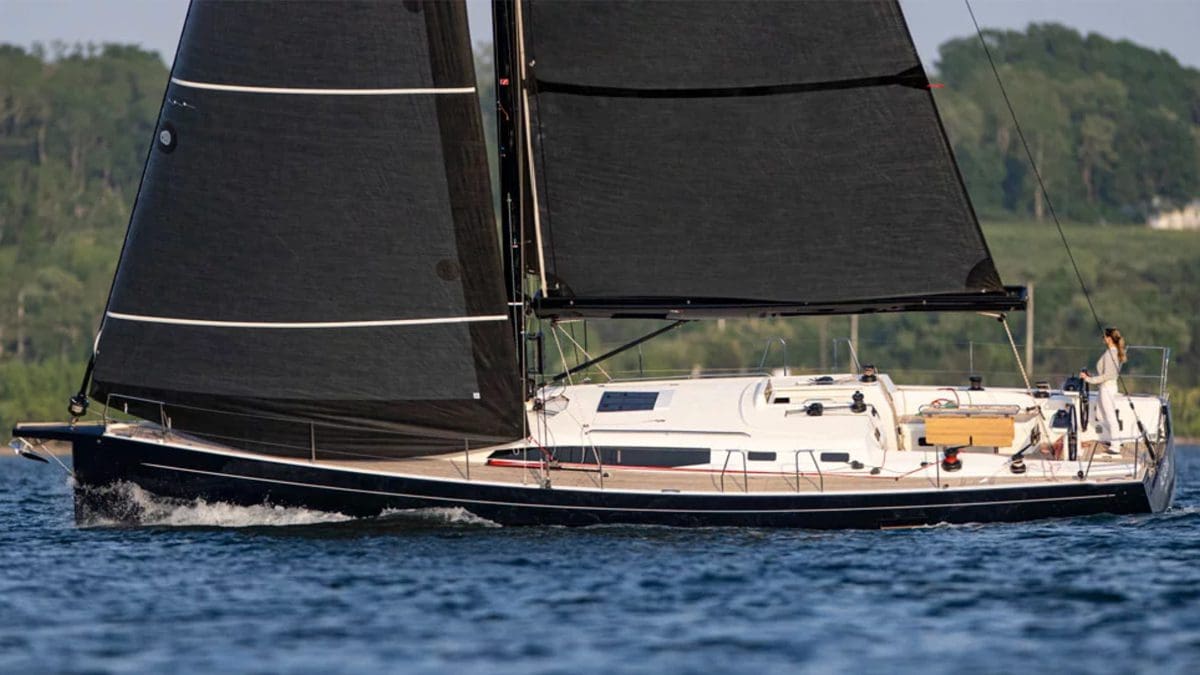
The J/45 is relevant to owners who want to combine cruising with a strong interest in sailing performance. It provides an alternative to boats whose accommodation and protected central cockpit dominate the design brief.
Compare it against the way you will sail rather than against an abstract offshore label. Consider the watch system, weather protection and the position of the controls when the boat is handled by two people, and assess the sail inventory for the intended route.
Kraken 50

The Kraken 50 makes its keel and rudder arrangement a central part of its design proposition. The builder documents an integral Zero Keel and a rudder supported by a full-length skeg.
Those features provide a clear basis for comparison with boats using externally attached keels or different rudder configurations. They do not remove the need to inspect structure, systems and condition. Buyers should evaluate the whole installation and its service requirements, rather than treating a single design feature as a guarantee.
Najad 395 CC

The Najad 395 CC is the centre-cockpit version of the 395 family. Its cockpit location and accommodation arrangement distinguish it from the 395 AC.
That difference should be established before comparing photographs or listings. A buyer interested in the CC should assess cockpit protection, access below and the use of the aft accommodation. The practical question is whether the arrangement suits the crew's daily routines at sea and at anchor.
Outbound 56
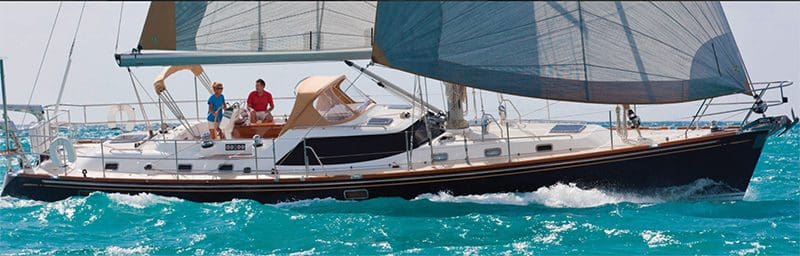
The Outbound 56 appeared in the original selection as a larger offshore passage-making design. Its size places it in a different ownership category from a compact cruiser, with more space but also more equipment and larger loads to manage.
For an individual boat, original plans, equipment documentation and the maintenance record should drive the comparison. Confirm the precise design and installed specification before relying on a general description or transferring figures from another Outbound model.
Oyster 565

The Oyster 565 combines a deck-saloon arrangement with a hull developed with Humphreys Yacht Design. It offers a route into a larger cruising yacht with the accommodation and systems expected for extended time aboard.
Identify the generation and layout being considered: information about the later Series II is not automatically a specification for an earlier 565. For either, inspect visibility, access to the machinery spaces and the systems the crew will depend on during a passage.
RM970

The RM970 provides a contrasting example of construction and layout. RM's plywood-epoxy hull method and the boat's emphasis on light and visibility below differ from the heavier traditional cruisers in this selection.
The original RM970 should also be distinguished from later models and updates carrying similar names. Confirm the keel configuration, then assess the structure, coatings and installation details against the manufacturer's documentation and the requirements of the planned voyage.
Rustler 42

The Rustler 42 uses a long fin keel and a substantial skeg-supported rudder. It retains a traditional profile while offering a different balance of interior space and sailing characteristics from the smaller Rustler 36.
It is a useful boat to compare if the working arrangements of a traditional cruising yacht appeal to you. Test the passage from cockpit to galley, identify suitable sea berths and inspect the storage that will remain available once equipment and spares are aboard.
Swan 58

The Germán Frers-designed Swan 58 belongs to the performance-cruising end of this comparison. It combines a cruising interior with a sailing platform that can also be used with a larger crew.
An owner planning short-handed passages should assess that programme separately from fully crewed sailing. Sail selection, control positions and powered systems need to match the people who will actually be aboard. A yacht's potential under a full crew is not the same question as its daily operation by a couple.
Tartan 395

The Tartan 395 adds an American cruising design to the selection. It is worth comparing for owners looking between a traditional offshore layout and a more performance-oriented production yacht.
Use documentation for the 395 itself when assessing a boat. Similar names or images on a builder's updated website should not be treated as evidence that a different model has the same specification. For a used example, the rig, keel configuration, systems and refit history need to be established individually.
What the shortlist should tell you
The useful result of this comparison is a clearer brief. Decide how much draft your route allows, how much boat the crew can maintain and which systems you can service without outside help. Check whether the interior works during a passage, not only when the boat is level in a marina.
Then compare actual examples. Documentation, loading and the condition of essential equipment can change the suitability of an individual yacht. No model name makes that assessment unnecessary.
For a more focused size comparison, see bluewater sailboats under 40 feet. For the purchase process, our guide to used cruising sailboats under 40 feet explains how to separate purchase price from preparation costs.