Used Sailboat Refit Budget: What to Price Before You Buy
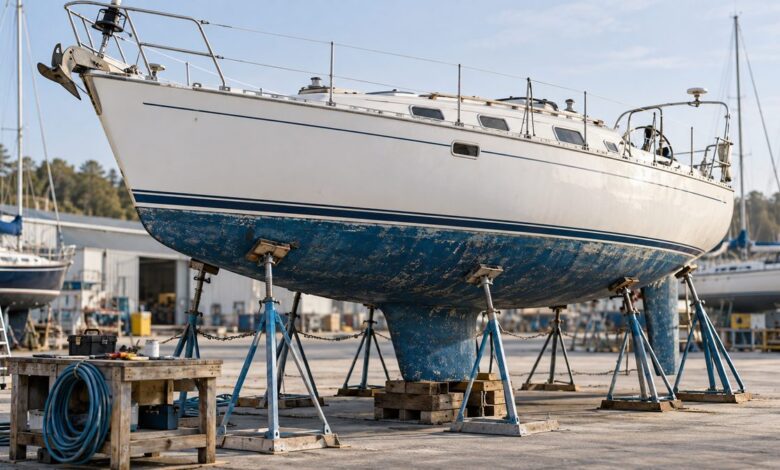
A replacement engine can look affordable until the quotation includes lifting the old one out, adapting the installation and commissioning the new one. Standing rigging presents a similar problem: the wire is only part of the job. For a buyer comparing used cruising boats, these are the details that can change which boat represents better value.
A useful used sailboat refit budget prices the work required for a particular boat and sailing programme. It should show what is included, what remains uncertain and how much cash must still be available when the yard has finished.
Set the scope before asking for prices
Write down the first season you actually intend to sail. Summer coastal cruising with regular access to shore services calls for a different equipment plan from an extended passage followed by months at anchor. Both require a sound boat; the differences lie in endurance, redundancy and the equipment you choose to support that programme.
Keep three groups of work separate: defects that must be resolved before use, preparation for the intended cruising programme, and discretionary improvements. Agree the first group with the relevant surveyor or specialist. Put a departure requirement against each item in the second. Give the third its own subtotal, so a new plotter or interior refurbishment cannot quietly absorb money allocated to repairs.
If you are still comparing designs, our guide to used cruising sailboats under 40 feet is a starting point. The refit calculation belongs to the individual boat, even when two examples share the same model name.
Turn the survey into a list of jobs
Before commissioning a pre-purchase survey, establish what will be inspected and what requires a separate appointment. BoatUS treats engine and rig examinations as specialist assessments alongside the broader condition survey. Its guide also makes clear that conclusions depend on what the surveyor can reach and examine during the visit. Record inaccessible areas and untested equipment alongside the findings.
For each significant finding, ask for enough detail to obtain a meaningful quotation. A deck repair needs an agreed investigation and repair scope. A suspect tank needs an access assessment. Where the extent cannot be established before opening up, identify the initial investigation cost, who will authorise further work and what information will trigger a revised estimate.
An unresolved structural question should remain an unresolved question in the buying decision. Giving it a small provisional sum does not establish the extent of the repair.
Price systems as complete jobs
Rig and sails
Ask the rigger to specify what the proposed work includes: unstepping and restepping where required, wire or rod, terminals, rigging screws, inspection of retained fittings and final tuning. Keep any work on chainplates, the mast step or associated structure visible as separate items.
Seldén’s maintenance guidance extends beyond the stays themselves to the hardware at their ends and connections. Ask the rigger to identify any damaged or deteriorated fittings that must be included in the replacement scope. A budget based solely on the price of new stays leaves the condition of those retained components unanswered. Obtain a sailmaker’s assessment of the working sails too, with repair and replacement options matched to your intended use.
Engine and transmission
Decide what evidence is needed to choose between servicing, repair and replacement. Yanmar cautions that operating hours alone cannot determine when an engine needs replacing. A low hour count should therefore lead to questions about service history and operation, rather than a zero in the refit column.
If repowering is under consideration, request an installed quotation after the contractor has inspected the boat. Yanmar’s guidance identifies compatibility with engine beds, transmission, shaft and propeller, air intake and exhaust among the planning considerations. Ask explicitly which existing components will be retained, what adaptations are included and how the installation will be tested.
Electrical system
Separate correcting existing defects from increasing capacity. Start the upgrade specification with the loads you intend to run and the charging sources available during your normal sailing day. Then ask the installer to price the complete arrangement, including protection, cabling, controls and commissioning.
A lithium conversion deserves its own system review. Victron’s Lithium NG documentation explains the interaction between batteries, the BMS, loads and chargers, and highlights the need to address alternator loading. The battery purchase price alone cannot establish the installed cost of a suitable conversion.
Hull, deck, steering and plumbing
Give each substantial survey finding its own line. Avoid a single allowance labelled “hull work” that combines routine antifouling with an unresolved keel attachment, deck core or rudder issue.
For tanks, seacocks, hoses and steering components, ask the contractor to describe the access required before accepting a replacement figure. Include removal and reinstatement of joinery or other equipment where needed. Keep waste removal, surface preparation and finishing in the written scope rather than assuming they are included.
Ground tackle, safety equipment and passage gear
Inventory what is aboard, then verify condition, suitability and service records before allocating a retained value to it. Build the equipment list around your cruising programme and the applicable requirements. Record service or replacement dates, installation work and any associated electrical or structural work. An item described in a brokerage inventory still needs to earn its place in the budget.
Use a budget sheet that exposes the unknowns
For every job, record the evidence behind it, the contractor, quotation date, currency and tax treatment. Use three cost statuses: written quotation, provisional allowance, or unpriced. Keep excluded work beside the amount; an attractive figure with a long exclusions list needs further investigation.
| Budget line | What to include | Evidence to obtain |
|---|---|---|
| Inspection and investigation | Survey, haul-out, specialist visits and agreed opening-up | Written inspection scope and exclusions |
| Repairs and replacements | Materials, removal, installation, access and reinstatement | Itemised contractor quotation |
| Yard and handling | Lifts, mast handling, storage and services required by the schedule | Yard tariff and estimated duration |
| Testing and handover | Commissioning, trials, adjustments and documentation | Agreed completion and acceptance scope |
| Uncertainty reserve | Additional cash retained for identified risks and discoveries | List of assumptions and unresolved items |
Track purchase and transaction costs separately, then bring them into the total acquisition calculation. Do the same for delivery and ownership costs incurred while the boat is out of service. Avoid counting the same storage period under both yard charges and general ownership.
Allow for the time the boat will spend ashore
Before placing orders, ask the yard to sequence work that shares access, lifting or dismantling. A planned mast removal is an opportunity to agree the associated rig work in advance. Equally, do not assume that adding more jobs to that visit will leave the completion date unchanged.
Confirm material lead times, contractor availability and the basis of storage charges. Put an allowance for an extended stay beside the schedule. If you intend to do some work yourself, specify those tasks and ask the yard about access, permitted activities and any handover requirements before calculating the saving.
Treat owner labour as a separate contribution. Record materials, tools, travel and available working days. A job scheduled around weekends needs a different calendar from one assigned to a contractor, even if the materials list is identical.
Compare the total commitment: a worked example
The figures below are a hypothetical comparison between two used 38-foot cruisers. They demonstrate the calculation; they are not market prices or estimates for a particular model, country or yard. Assume the work scopes have been made comparable and all amounts use the same currency and tax basis.
| Illustrative budget | Boat A | Boat B |
|---|---|---|
| Assumed purchase price | €48,000 | €64,000 |
| Inspection and transaction allowance | €2,000 | €2,000 |
| Defined preparation work | €21,000 | €7,000 |
| Yard, handling and delivery allowance | €4,000 | €2,000 |
| Subtotal before reserve | €75,000 | €75,000 |
| Illustrative cash reserve | €6,000 | €3,000 |
| Total cash allocated | €81,000 | €78,000 |
Boat A’s €16,000 advantage at purchase has disappeared before any reserve is added. In this scenario, the larger reserve assigned to A reflects an assumed greater degree of uncertainty; it is not a recommended percentage.
The choice still depends on the boats. If B is advertised as recently refitted, establish the scope, dates and quality of that work through invoices, specifications and inspection. Compare the resulting boats, the unresolved risks and the time each would take to prepare. A seller’s total expenditure is useful background, but it does not establish the value of every upgrade to your programme.
Keep a reserve, and keep the unknowns visible
Set the reserve after reviewing what remains uncertain. Where an investigation could materially change the purchase decision, try to resolve it before committing. Where a contractor cannot yet provide a firm amount, retain the provisional status and ask what would allow it to become a quotation.
Keep this cash separate from optional upgrades and from the funds needed to operate the boat after launch. Review it whenever the work scope changes. Money released by one job coming in below budget should remain available until the other significant uncertainties have been resolved.
For older candidates, including the models in our selection of sailboats from the 1990s, this exercise makes comparisons more useful than age or asking price alone. Before making an offer, you should be able to explain which jobs are priced, which assumptions remain open and what the boat is expected to do when the work is complete.
Technical references
BoatUS: Boat Buyer’s Guide, particularly the distinctions between condition, engine and rigging surveys; Seldén: Hints and Advice, maintenance and inspection guidance; Yanmar: Repower, installation planning; Victron Energy: Lithium NG system design and BMS selection guide. Equipment-specific instructions and professional assessments should determine the scope for the individual boat.