
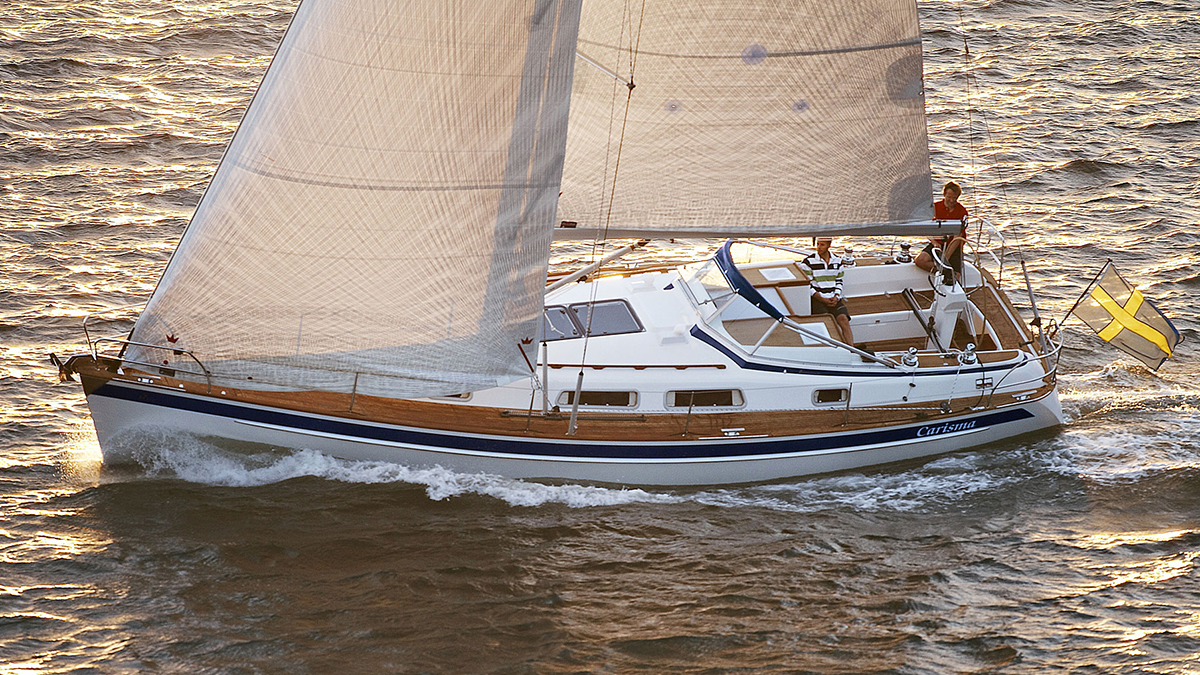
A cruising boat under 40 feet can be a practical choice for a couple planning longer passages. Sail loads, maintenance and the amount of equipment to manage may remain within the reach of a small crew. The compromise is limited space for stores, spares and the systems that accumulate before an ocean crossing.
These ten bluewater sailboats under 40 feet represent different approaches to that problem. Some favour traditional offshore layouts; others offer the accommodation and separate living spaces of a catamaran. They are a starting point for comparison, rather than a ranking or a statement that every example is ready to cross an ocean.
Length figures also need care. Builders may quote hull length, length overall or a measurement including a bow platform. The model name is not a measurement. Check the original documentation and the actual boat, particularly when calculating marina space or fitting equipment at the bow and stern.
Hallberg-Rassy 372
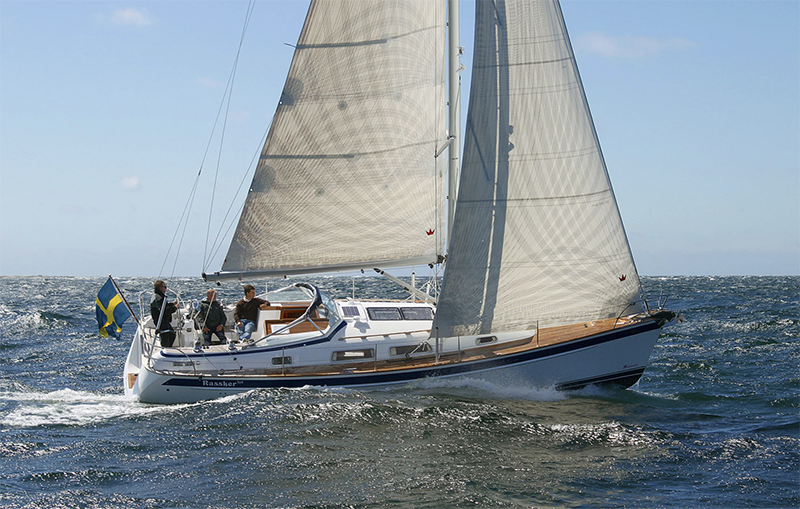
The Germán Frers-designed Hallberg-Rassy 372 combines an aft cockpit with the yard’s windscreen arrangement and a cruising interior. Hallberg-Rassy publishes a hull length of 11.35 metres, placing it within this size group.
It is worth considering if cockpit protection and an interior arranged for time aboard matter more than adding another cabin. The aft-cockpit layout also makes it a different proposition from the centre-cockpit Hallberg-Rassy 37, despite their similar names.
When viewing a used example, establish the keel and rig specification and inspect the engine installation, steering and deck fittings. Changes made by successive owners can matter as much as the original equipment list.
Pacific Seacraft 37
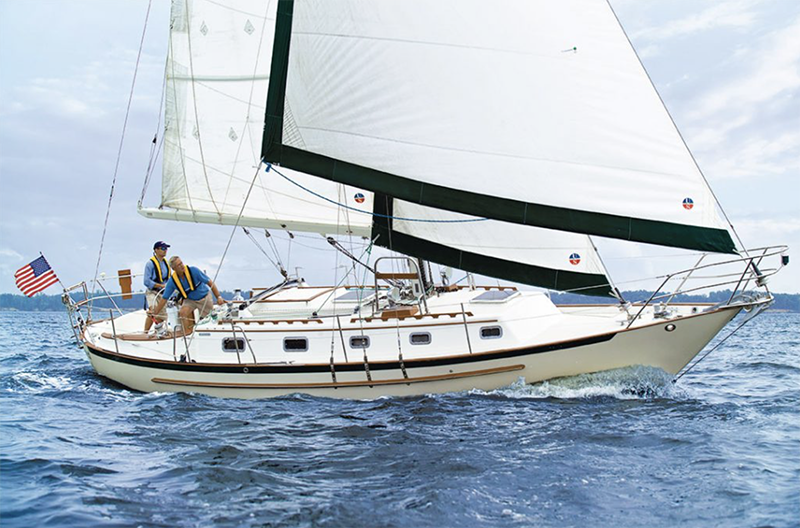
The Pacific Seacraft 37, also known as the Crealock 37, takes a more traditional approach to offshore cruising. Its canoe stern and relatively narrow accommodation are part of a design that puts different priorities ahead of maximum interior volume.
For a small crew, the questions are practical: can the berths be secured for use underway, is the galley workable on either tack, and can the sail plan be reduced without a complicated sequence on deck?
Buyers should check the exact rig, keel and interior arrangement of the boat offered. An older offshore design still needs a survey and a realistic assessment of the cost of renewing sails, rigging and machinery.
Lagoon 380
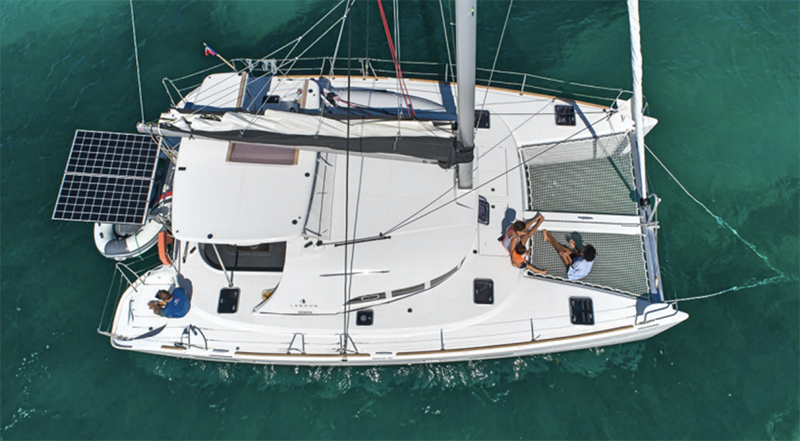
Lagoon’s published length overall for the 380 is 11.55 metres. Its three- and four-cabin arrangements offer a different division of space from a monohull of similar length, with cabins in the hulls and the main living area on the bridgedeck.
That accommodation is useful for a family, but loading deserves attention. A tender, extra batteries, water, tools and provisions can make a substantial difference to a relatively compact cruising catamaran.
On a used boat, ask for the ownership and charter history. Inspect the structure, rig attachments, steering and engines, and assess the boat with a passage load rather than judging it only as an empty marina display.
Najad 380
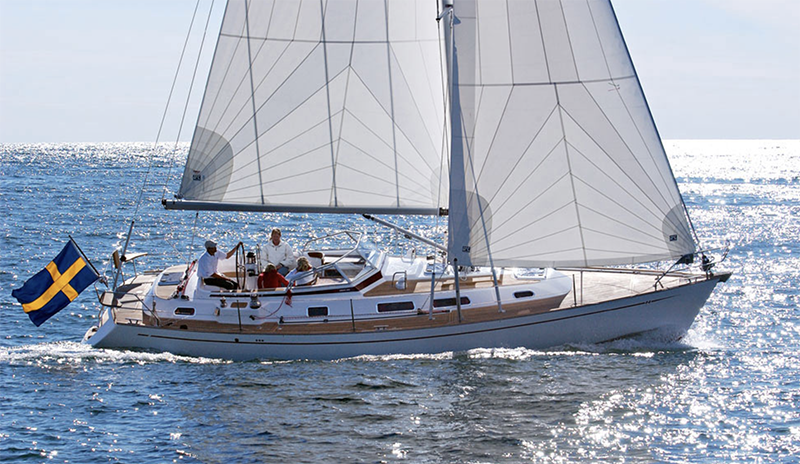
The Najad 380 belongs on a shortlist for sailors interested in a compact Swedish cruising yacht. It also has a documented offshore history: Jeanne Socrates sailed her Najad 380, Nereida, on solo circumnavigation voyages.
That history demonstrates what a prepared example and an experienced sailor have achieved. It does not replace inspection of the individual boat or show that every 380 has the same equipment and condition.
During a viewing, concentrate on watchkeeping arrangements, storage and access to systems. Work through routine jobs such as checking the engine, reaching seacocks and servicing steering components before deciding whether the layout suits your crew.
Tayana 37
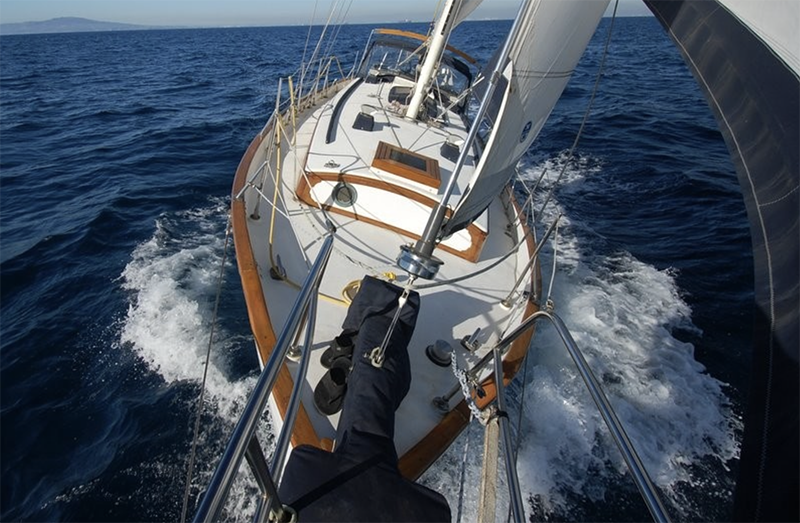
Robert Perry’s Tayana 37 offers the double-ended hull and traditional cruising arrangement associated with many long-distance boats of its generation. Owners’ documentation includes both cutter and ketch sail plans.
The appeal is a boat organised around living aboard and making passages, with a different balance of space and sailing characteristics from a lighter production cruiser. The exact layout and rig must be established on the boat being considered.
For an older example, examine the history of deck leaks, rigging work and changes to the electrical and plumbing systems. A long equipment list is useful only when the installation is accessible, documented and serviceable.
Fountaine Pajot Lucia 40
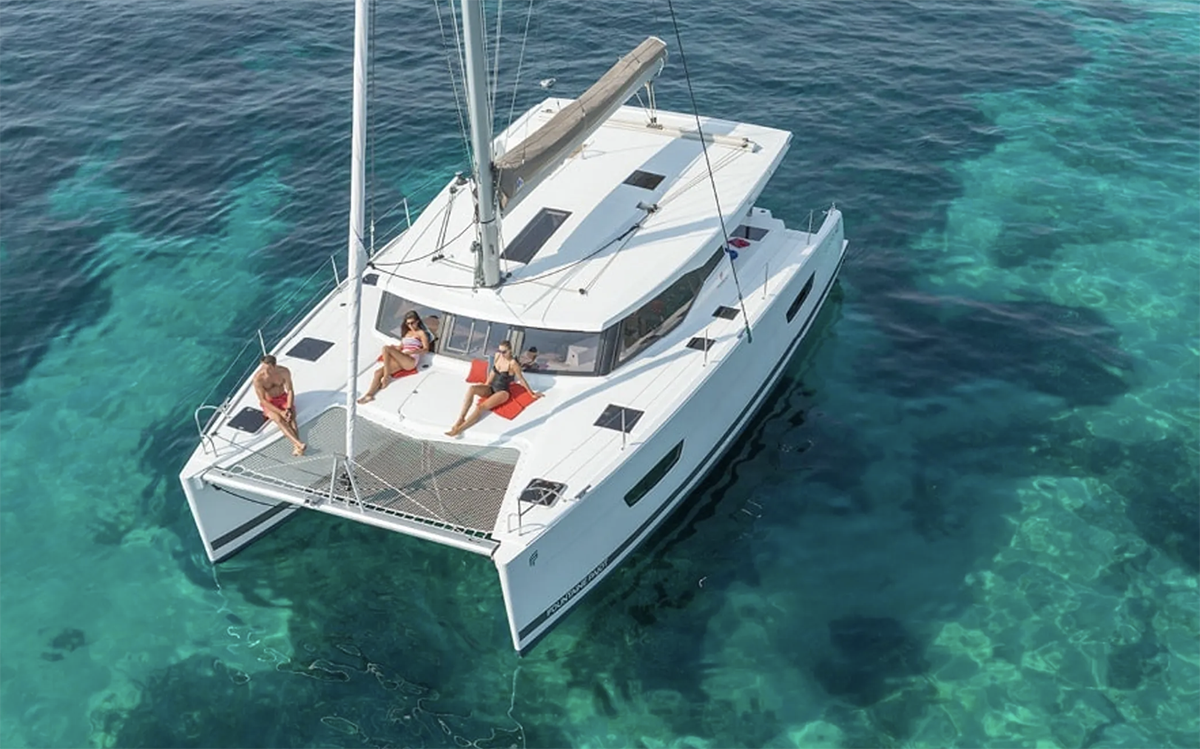
The Lucia 40 illustrates why model names need checking: the builder’s brochure gives a length overall of 11.73 metres, below 40 feet. The design uses its two hulls and bridgedeck accommodation to provide separate cabins and an open main living area.
It may suit a crew that expects to spend substantial time aboard between passages. Before choosing a layout, consider whether you need additional cabins or would make better use of that space for equipment and storage.
For offshore preparation, make a complete weight inventory and inspect the sail-handling arrangement with the intended crew. Accommodation capacity and a practical passage load are separate considerations.
Island Packet 349
Island Packet publishes a length overall of 38 feet 3 inches for the 349, including its bow platform. Its design offers an alternative to the fin-keel cruising boats in this selection, with the yard’s long-keel approach and a sail plan arranged for cruising use.
The relevant comparison is how the whole boat works for its owners: access around the engine, stowage, the position of working lines and the ability to handle the headsails in changing conditions.
A sea trial should include manoeuvring under power as well as sailing. Check how the boat turns and reverses in the conditions likely to be encountered in your home marina and cruising grounds.
Seawind 1160
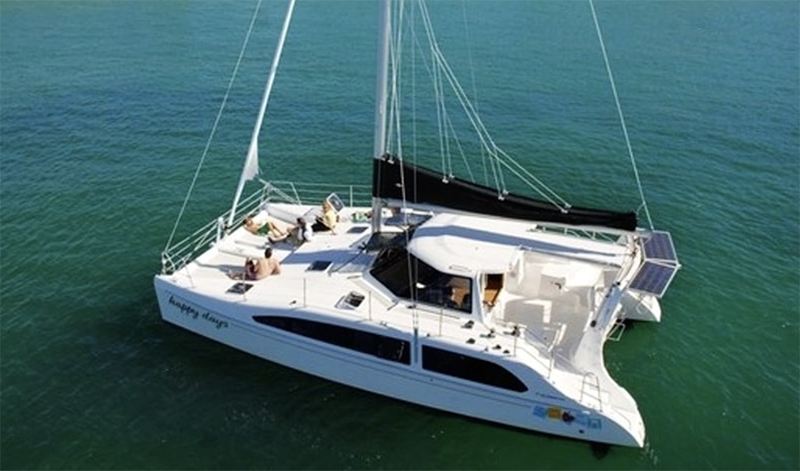
The cruising versions of the Seawind 1160 combine twin helm positions with an opening between the saloon and cockpit. The arrangement allows the crew to move between the working and living areas without the same separation found on some raised-helm catamarans.
Be precise about the version being viewed. The 1160 name covers different configurations, and a day-charter Resort model should not be treated as interchangeable with a private cruising boat.
For a passage boat, assess weather protection, the ability to reef from the working position and the distribution of loaded weight. Identify the propulsion installation and service requirements of that specific example rather than relying on a general model description.
Contessa 32
The Contessa 32 offers a smaller, narrower alternative to the larger boats in this list. Jeremy Rogers continues to document the design and its construction, giving buyers a useful reference when comparing older examples and more recent builds.
Its attraction is not the amount of accommodation available for a given length. It is a boat for sailors willing to accept a compact interior in return for a more traditional cruising arrangement.
Try the berths, galley and companionway before deciding whether that compromise works for you. Extended passages make everyday movements and storage choices more important than they appear during a short viewing.
Rustler 36
The Rustler 36 is another traditional monohull to compare with the larger-volume cruisers. Its long-keel arrangement gives it a different underwater profile from a modern fin-keel boat and forms part of its established offshore-cruising identity.
It is worth examining if your priority is a manageable passage boat rather than several separate sleeping cabins. As with the Contessa, the interior should be tested against the way the crew will actually live aboard.
Condition and refit history are central to a used purchase. Review rigging, sails, steering, machinery and deck hardware together, rather than treating a recent engine or a new plotter as proof that the boat is ready for departure.
Compare the working layout before the equipment list
Walk through a night watch on each boat. Decide where the off-watch sailor will sleep, how the person on deck will reef, and whether the galley can be used without obstructing movement below. Check access to essential systems with lockers loaded, rather than empty.
Then calculate the passage load. Water, fuel, provisions, ground tackle, spares and a tender all take space and add weight. Catamarans and monohulls respond differently to that load, but neither benefits from equipment being added without a plan.
There is no single keel, rudder or construction method that answers every offshore requirement. Compare the condition of the structure and fittings, the maintenance demands and the suitability of the boat for the intended route.
If your next step is a used purchase, our guide to used cruising sailboats under 40 feet looks at the buying process and refit budget. For a broader comparison across sizes, see our selection of bluewater cruising designs.